

Comparison Between Cloud Security and Network Security in 2025: Skills, Roles, and Demand
-
Home
-
Cybersecurity
-
Comparison Between Cloud Security and Network Security in 2025: Skills, Roles, and Demand

Comparison Between Cloud Security and Network Security in 2025: Skills, Roles, and Demand
Explore the key differences between cloud security and network security in 2025. Learn about skills, roles, tools, certifications, salaries, and career demand.


Table of Content
-
Why This Comparison Matters in 2025?
-
What is Cloud Security?
-
What is Network Security?
-
Skills Required: Cloud Security vs. Network Security
-
Roles and Responsibilities Compared
-
Tools and Technologies Used in Each Domain
-
Certifications and Learning Paths
-
Job Market Demand and Career Growth in 2025
-
Salary Trends and Global Hiring Insights
-
Choosing the Right Path: Which One Is for You?
-
How Our Courses at Bisjhintus Can Help
-
FAQs
-
Securing the Future — From Cloud to Core

Why This Comparison Matters in 2025
In today’s hyper-connected world, cybersecurity is no longer optional—it’s foundational. As we look ahead to 2025 and beyond, cloud and network security form the dual pillars of digital resilience. Each discipline is critical, offering unique challenges and enormous opportunities for growth.
Cloud security is the shield of digital transformation, empowering businesses to scale securely across global platforms. It demands innovation, adaptability, and continuous learning, especially as organizations integrate AI, IoT, and remote work environments.
Network security, in contrast, remains the stronghold of organizational defense. It anchors the internal infrastructure, ensuring that even as applications migrate to the cloud, the base remains impenetrable. With new threats targeting edge devices and on-prem systems, skilled network defenders are more important than ever.
Both roles offer lucrative, respected, and future-proof careers. And while the tools and environments differ, the mission is the same—to protect, prevent, and respond to digital threats.
So, which will you choose—the cloud above or the network beneath?
1. What is Cloud Security?

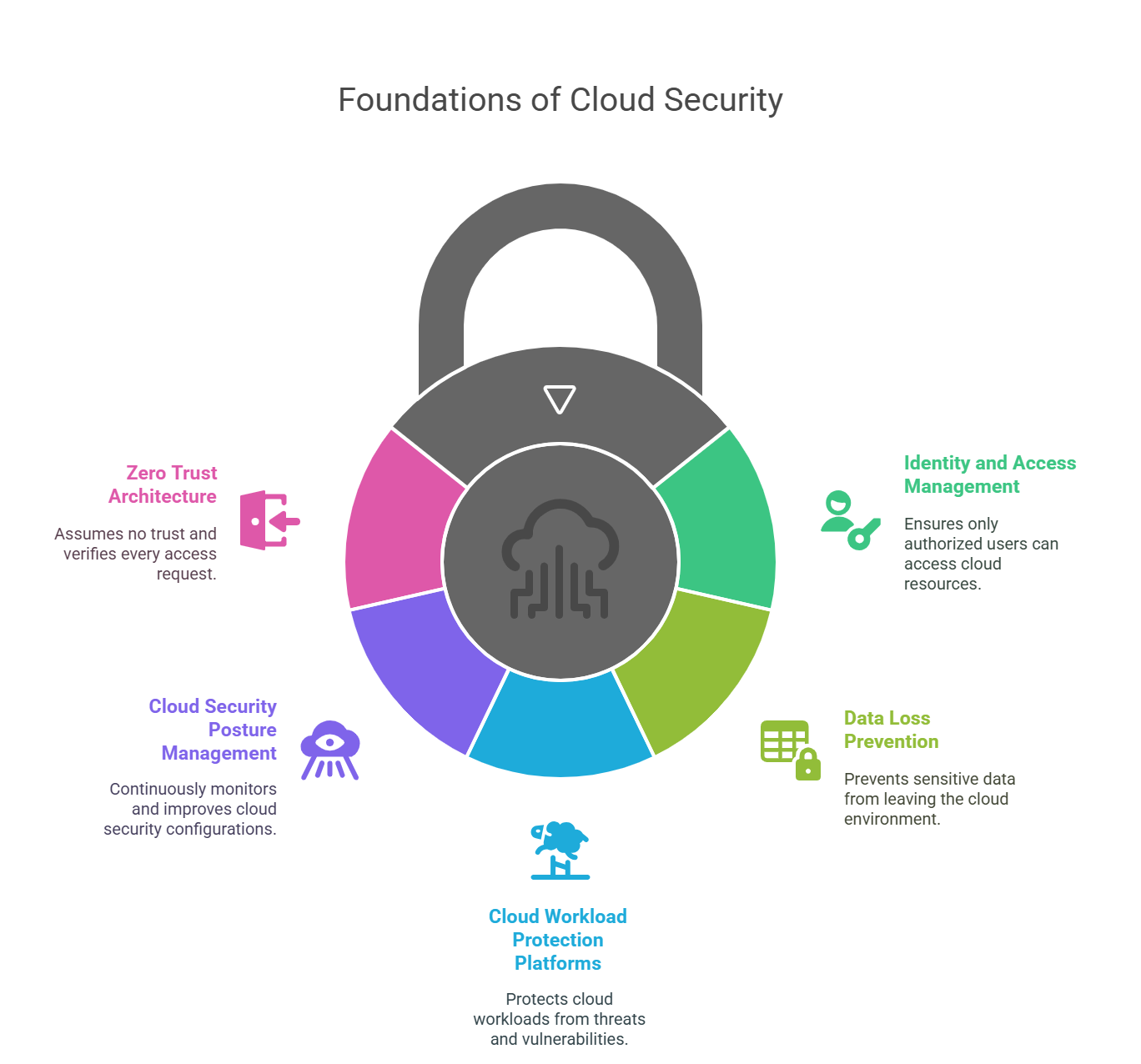
Cloud security refers to the set of policies, technologies, and controls used to protect data, applications, and services hosted in the cloud. It ensures confidentiality, integrity, and availability across public, private, and hybrid cloud environments.
Key Domains:
- Identity and Access Management (IAM)
- Data Loss Prevention (DLP)
- Cloud Workload Protection Platforms (CWPP)
- Cloud Security Posture Management (CSPM)
- Zero Trust Architecture
Use Cases:
- Securing AWS, Azure, and Google Cloud environments
- Multi-cloud strategy enforcement
- Protection against cloud-native threats (e.g., misconfigurations, exposed storage buckets)
Cloud security focuses on protecting what doesn’t live inside your data center but is critical to your operations.
2. What is Network Security?

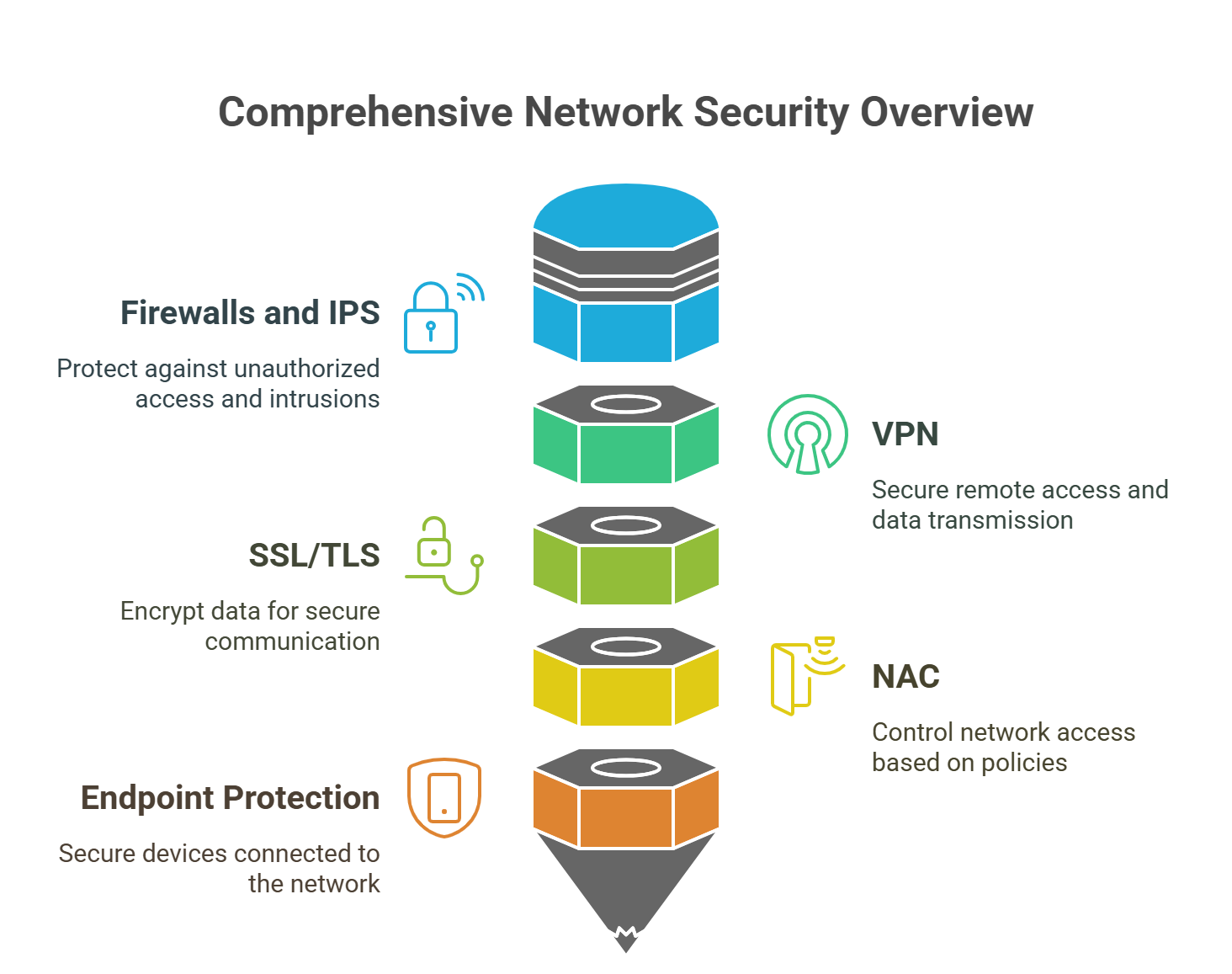
Network security involves protecting an organization's IT infrastructure from unauthorized access, misuse, or theft. It covers everything from physical hardware to software-based security measures.
Key Domains:
- Firewalls and Intrusion Prevention Systems (IPS)
- Virtual Private Networks (VPN)
- Secure Socket Layer (SSL)/Transport Layer Security (TLS)
- Network Access Control (NAC)
- Endpoint Protection
Use Cases:
- Preventing unauthorized internal and external access
- Detecting malicious traffic in enterprise networks
- Enforcing policies on employee device use and data transfer
Network security focuses on what lives inside your organization and how it communicates with the outside world.
3. Skills Required: Cloud Security vs. Network Security

Cloud Security Skills:
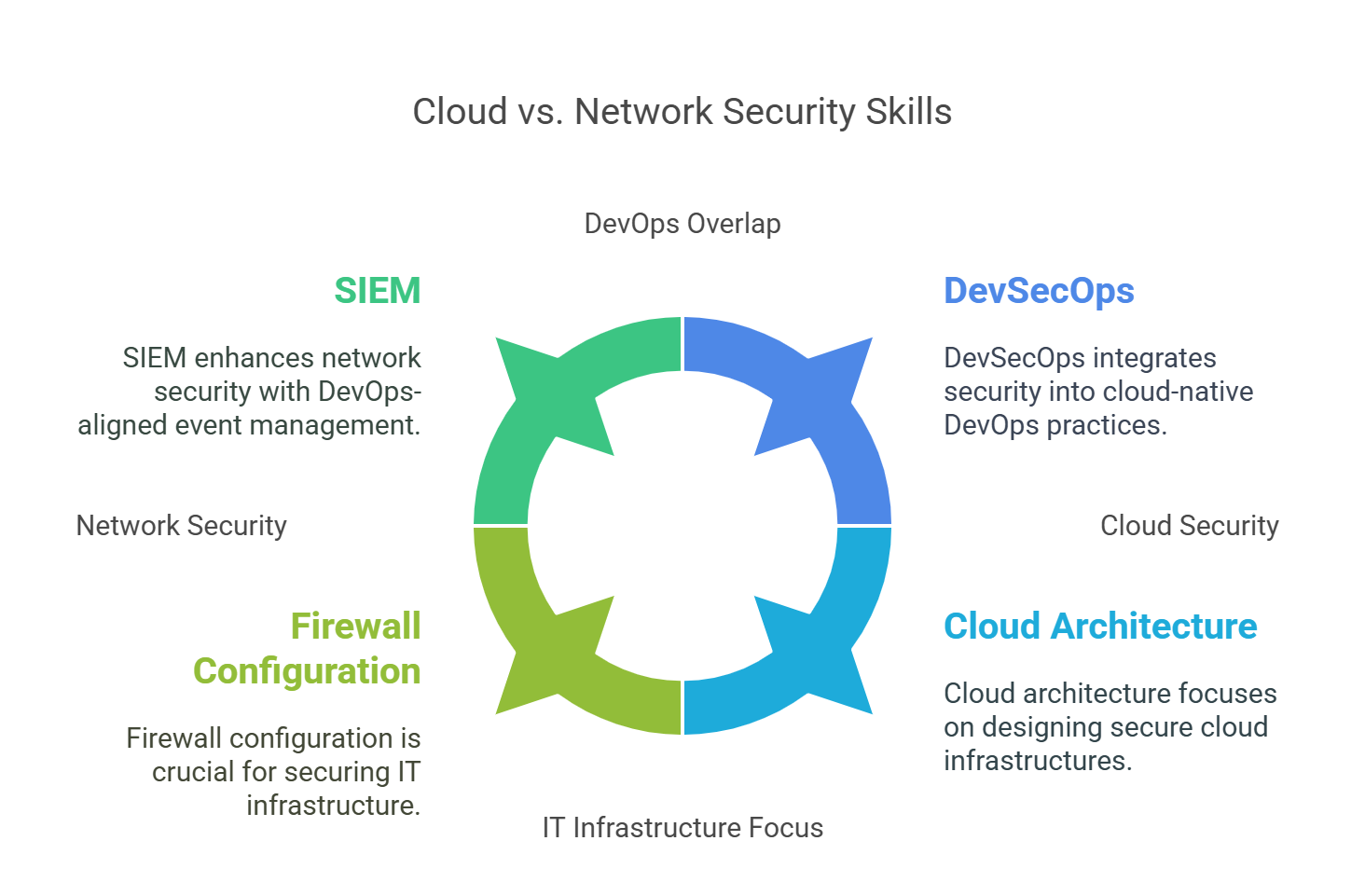
- Cloud architecture understanding (AWS, Azure, GCP)
- Encryption and key management in the cloud
- Cloud-native threat analysis
- DevSecOps and infrastructure as code (IaC)
- Compliance frameworks (ISO 27017, SOC 2)
Network Security Skills:
- TCP/IP, DNS, DHCP, and subnetting expertise
- Configuration of firewalls, switches, and routers
- Packet analysis with Wireshark
- VPN and remote access security
- Security Information and Event Management (SIEM)
Both roles demand analytical thinking, strong attention to detail, and problem-solving skills, but cloud security often overlaps with DevOps, while network security leans toward IT infrastructure.
4. Roles and Responsibilities Compared

Cloud Security Roles:
- Cloud Security Engineer
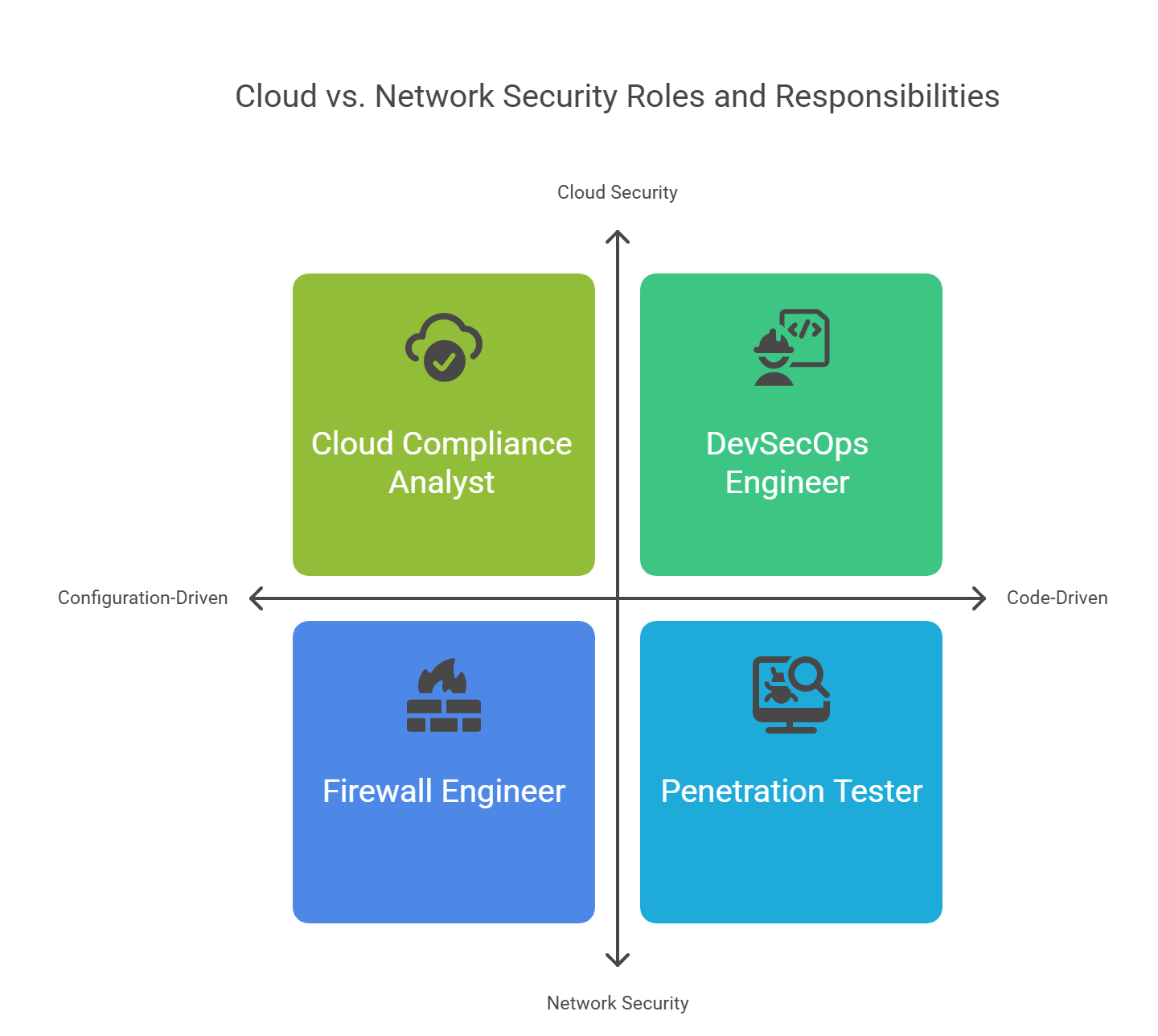
- Cloud Compliance Analyst
- DevSecOps Engineer
- Cloud Architect (Security-focused)
Responsibilities:
- Secure deployment pipelines
- Monitor cloud environments for misconfigurations
- Implement identity federation and role-based access
Network Security Roles:
- Network Security Engineer
- Security Operations Center (SOC) Analyst
- Network Administrator
- Firewall Engineer
Responsibilities:
- Configure and manage perimeter defense
- Monitor internal network traffic
- Conduct penetration testing on LAN/WAN
While both domains aim for protection, cloud security is proactive and code-driven, whereas network security is configuration and control-driven.
5. Tools and Technologies Used in Each Domain

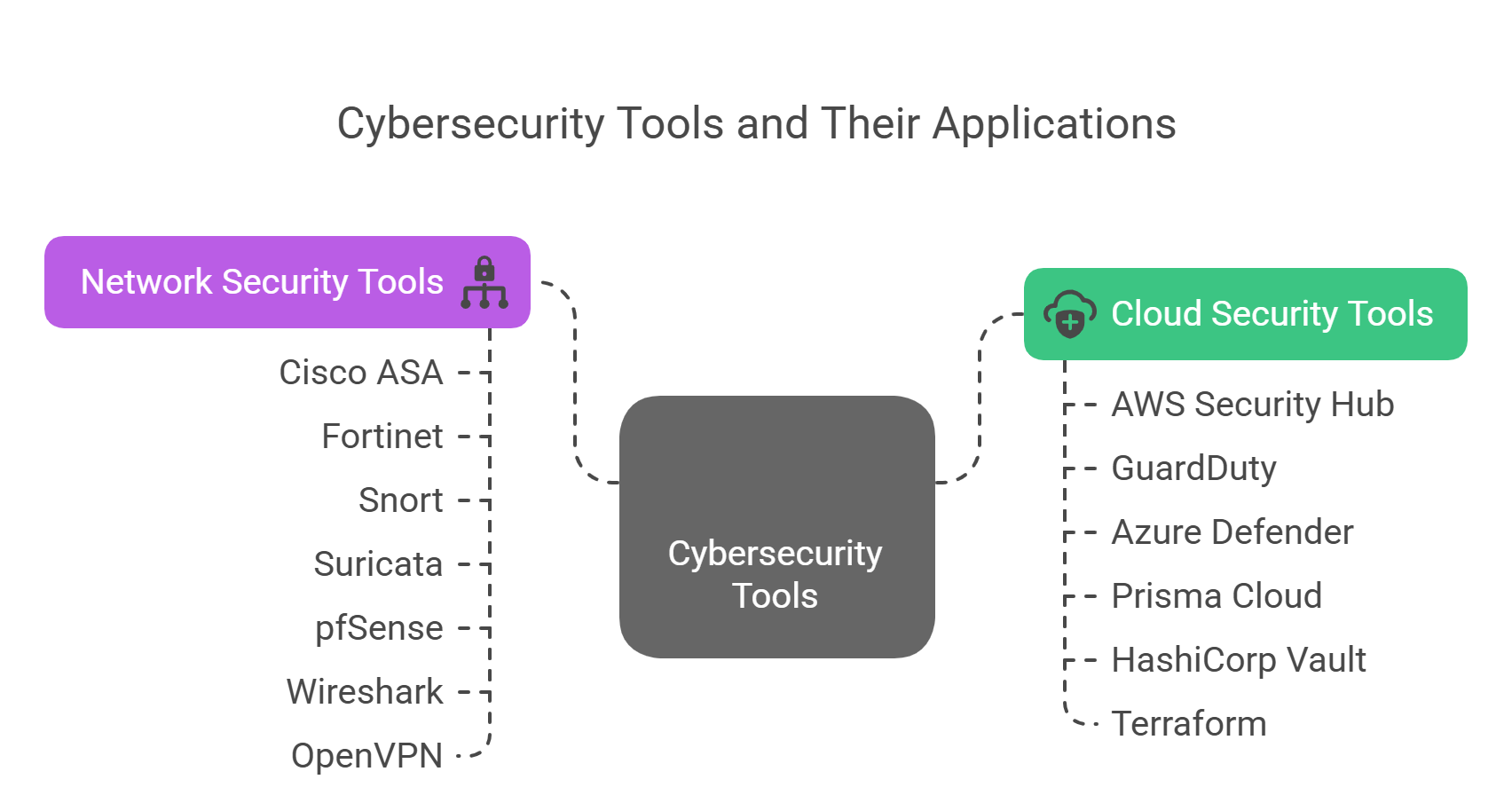
Cloud Security Tools:
- AWS Security Hub, GuardDuty
- Azure Defender
- Prisma Cloud
- HashiCorp Vault
- Terraform (for infrastructure as code security)
Network Security Tools:
- Cisco ASA, Fortinet
- Snort, Suricata
- pfSense
- Wireshark
- OpenVPN
Mastering these tools is essential for professionals to become efficient in detecting, mitigating, and managing vulnerabilities.
6. Certifications and Learning Paths

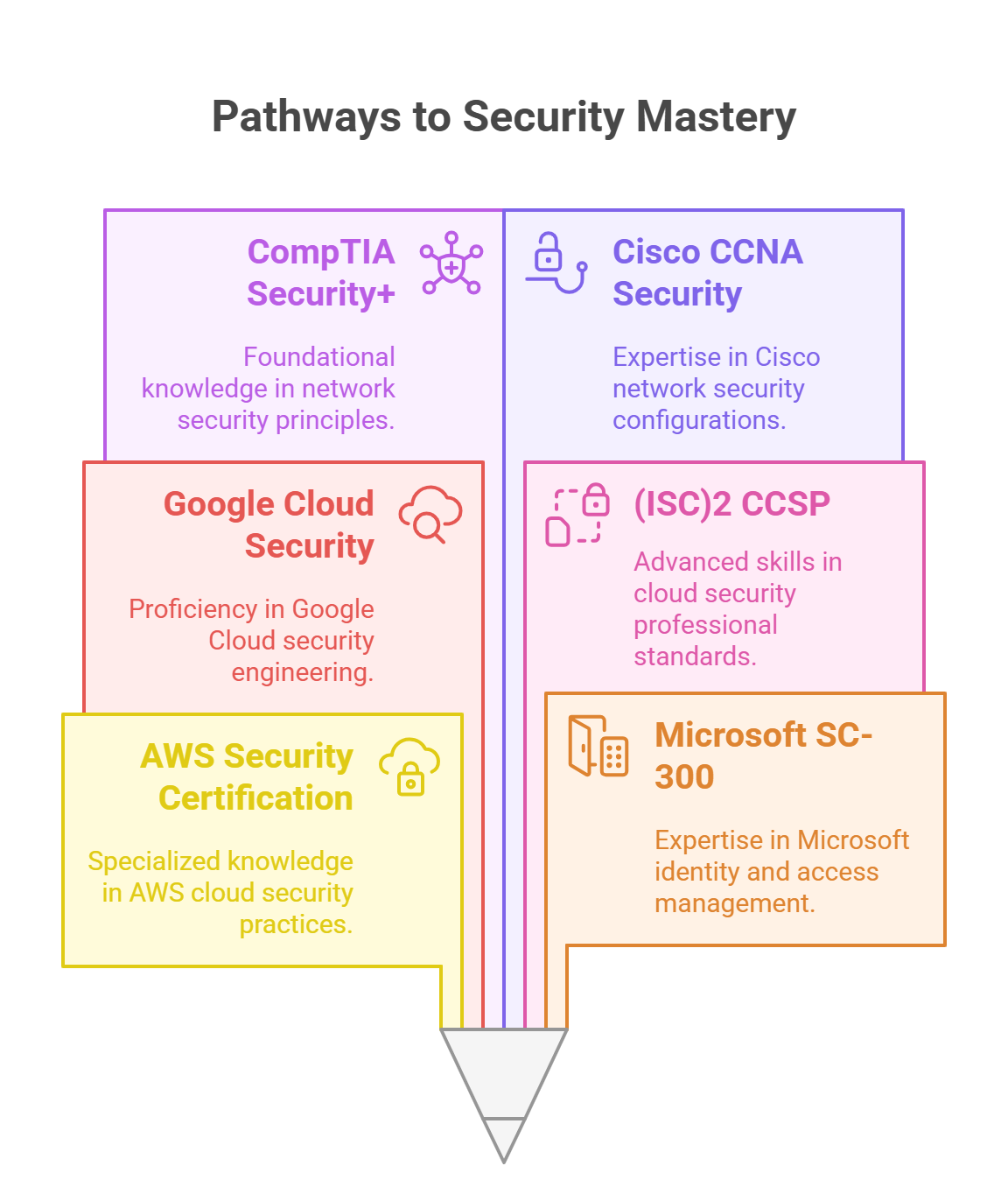
Cloud Security Certifications:
- AWS Certified Security – Specialty
- Microsoft SC-300: Identity and Access Administrator
- Google Professional Cloud Security Engineer
- (ISC)2 CCSP (Certified Cloud Security Professional)
Network Security Certifications:
- CompTIA Security+
- Cisco Certified Network Associate (CCNA Security)
- EC-Council Certified Network Defender (CND)
- Palo Alto Networks PCNSA
Cloud certs are often platform-specific, while network certs are vendor-neutral or hardware-oriented.
7. Job Market Demand and Career Growth in 2025

Cloud Security Demand:
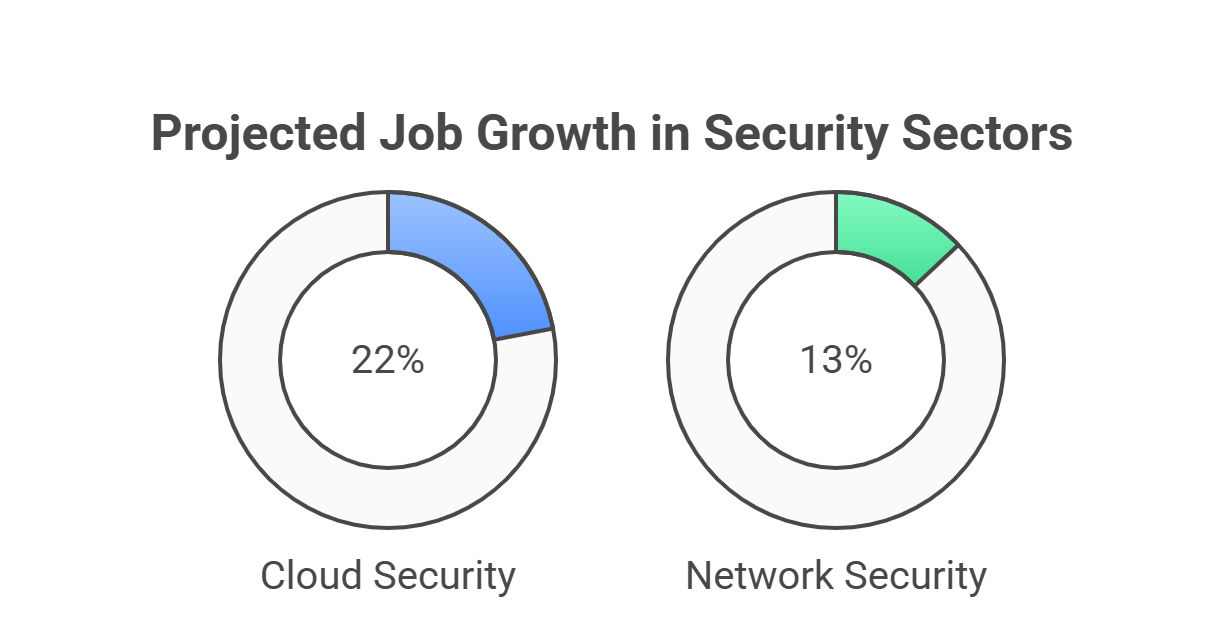
With 90% of enterprises using multi-cloud infrastructure by 2025, cloud security jobs are growing at over 22% CAGR. Key hiring industries include fintech, e-commerce, healthcare, and SaaS companies.
Network Security Demand:
Still critical to on-prem and hybrid setups, network security jobs are projected to grow at 13% CAGR. Government, telecom, and manufacturing sectors continue hiring aggressively.
Cloud roles are surging faster, but network security remains foundational and resilient in hybrid models.
8. Salary Trends and Global Hiring Insights

Cloud security professionals continue to enjoy premium compensation packages. This is driven by the widespread adoption of multi-cloud architectures, increased regulatory scrutiny, and a growing talent shortage. Organizations are willing to pay more for specialists who can secure AWS, Azure, or GCP environments, especially with proven DevSecOps or automation experience.
Network security salaries, while slightly lower on average, remain competitive due to the continued relevance of on-premise infrastructure, especially in banking, telecom, and defense. These sectors require low-latency and secure local networks, which ensure that network roles are still well-compensated and essential.
Role | India Avg Salary (INR) | US Avg Salary (USD) |
Cloud Security Engineer | ₹12–20 LPA | $110K–$160K |
Cloud Compliance Analyst | ₹8–14 LPA | $95K–$130K |
Network Security Engineer | ₹7–15 LPA | $90K–$140K |
Firewall Specialist | ₹6–12 LPA | $85K–$120K |
Cloud security roles typically offer 10–20% higher compensation due to skill demand, though network roles remain competitive.
9. Choosing the Right Path: Which One Is for You?

If you enjoy automation, scripting, and cloud-native technologies, cloud security may be your calling. It is future-focused and blends well with DevOps, especially if you're intrigued by securing infrastructure as code (IaC) or understanding the shared responsibility model of cloud providers like AWS or Azure. For learners with a software or web background—or those keen on certifications like AWS Security or CCSP—this path opens doors to fast-growing sectors like SaaS, fintech, and AI/ML cloud services.
On the other hand, if you're someone who thrives in infrastructure design, monitoring, and hands-on hardware configuration, network security offers a robust and well-established path. You'll be working closely with routers, firewalls, VPNs, and intrusion prevention systems—ensuring the internal and external traffic of an organization is safeguarded. It’s a perfect fit for individuals with a background in IT support, networking, or computer hardware.
Criteria | Choose Cloud Security | Choose Network Security |
Career Goal | Cloud architect, DevSecOps, SaaS security | Network engineer, SOC analyst, infrastructure security |
Background | Web development, cloud ops, programming | IT support, networking, hardware configuration |
Preferred Tools | Terraform, Vault, AWS IAM | Firewalls, Wireshark, VPN |
Learning Style | Code-driven, automation-focused | Configuration and control-focused |
Pick the path that aligns with your interests, strengths, and long-term goals. Many professionals eventually learn to stay versatile.
How Our Courses at Bisjhintus Can Help

At Bisjhintus, we provide comprehensive, beginner-to-pro training in both cloud and network security. Whether you’re new to cybersecurity or upskilling from IT, our courses offer:
- Cloud & network security bootcamps
- Certification exam prep (AWS, CEH, Security+)
- Live lab projects & simulation-based learning
- 1:1 mentoring + interview support
“After completing the Bisjhintus course, I transitioned from IT support to a Cloud Security Analyst role in under 5 months!” — Nisha R., Course Graduate
Enroll Now and Start Your Cybersecurity Journey → [Link]
FAQs

1. Can I learn both cloud and network security together?
Yes. While it’s ideal to focus on one initially, knowledge of both improves your employability.
2. Which field has more remote job opportunities in 2025?
Cloud security currently has more remote-friendly roles due to SaaS and global infrastructure management.
3. Is coding required in both domains?
Cloud security often involves scripting and DevOps skills, while network security focuses more on configuration.
4. Which is easier for a beginner with no tech background?
Network security offers a more traditional learning curve, making it slightly easier for absolute beginners.
5. What are some free resources to explore both fields?
TryHackMe, AWS free tier labs, Wireshark tutorials, Cisco Packet Tracer, and Bisjhintus blogs.
Securing the Future — From Cloud to Core

In 2025, cybersecurity is evolving rapidly, and both cloud and network security are mission-critical domains. Cloud security is the future-forward shield, defending sprawling digital landscapes, while network security is the trusted guardian of core infrastructure.
Choosing between them isn't about better or worse—it's about fit. Whether you aspire to secure applications hosted across the cloud or protect sensitive enterprise networks from attacks, both careers offer impact, income, and long-term growth.
Ready to start? Let Bisjhintus help you master your path to cybersecurity excellence.
Written By
Critical Legal Writer Intern at BISJHINTUS, English Honours (Gold Medalist) / LL.B.

Designed By
UI/UX Designer at BISJHINTUS

Share this post:
Leave a comment
Your email address will not be published. Required fields are marked *
Write a Review
Related Posts

Discover how to start a cybersecurity career in 2025 with no experience. This comprehensive beginner...

Explore 7 high-demand cybersecurity jobs in 2025 and learn how the Bisjhintus Cybersecurity Course c...
